|
Hibernating Heralds
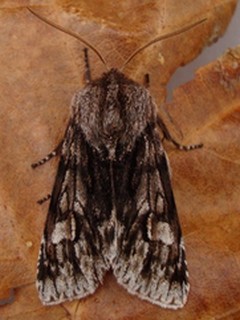
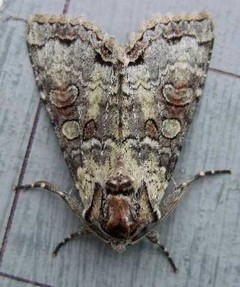
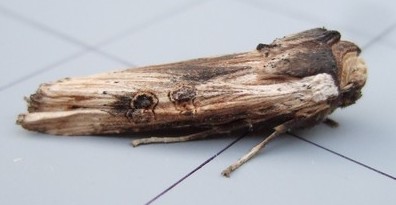
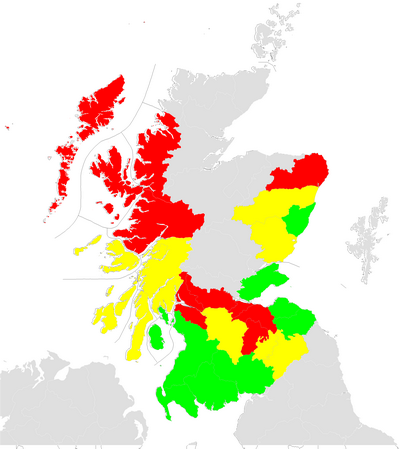
The Herald is a beautiful moth that occurs throughout Scotland but is only sparsely recorded. We would like you to help us find more hibernation sites by checking dark corners of unheated outbuildings in your garden or when you are out and about. All you need is a torch and a bit of time to search carefully. Submit your sightings by clicking on the iRecord image. Find out more on this Facebook page.
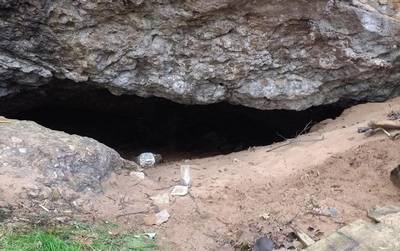
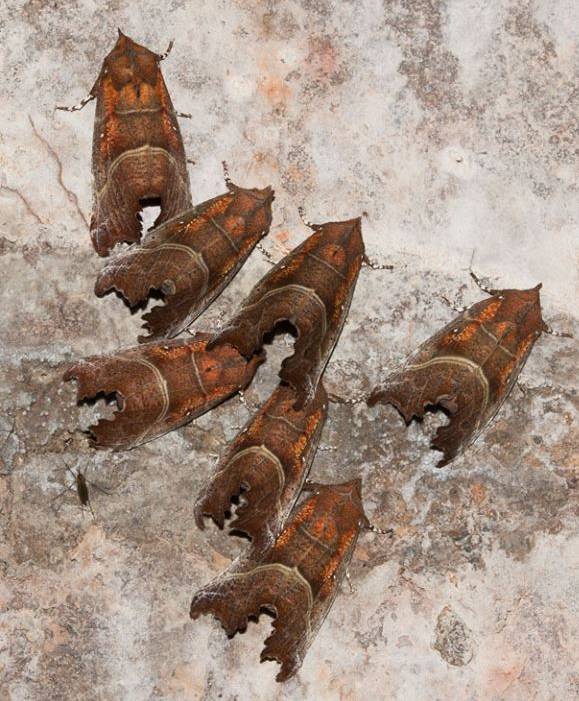 Heralds are one of only a few UK moths that spend the winter hibernating as an adult, and this is one of the easiest times to find them as they shelter in outhouses, cellars, ruined buildings and caves. In a few weeks in November 2016 a few recorders have spent some time searching suitable dark places across the Lothians and have found more Heralds in the region than have been recorded
across Scotland in the last four years! Heralds are one of only a few UK moths that spend the winter hibernating as an adult, and this is one of the easiest times to find them as they shelter in outhouses, cellars, ruined buildings and caves. In a few weeks in November 2016 a few recorders have spent some time searching suitable dark places across the Lothians and have found more Heralds in the region than have been recorded
across Scotland in the last four years!
To submit your sightings you will need to provide your name, the location of the Heralds (Grid Reference or Postcode and the type of building or structure they are in), the number you see and a photograph. The easiest way to enter records is by joining the Hibernating Heralds Activity. Alternatively post a photo and location details on our Facebook page. You can also follow and contribute on Twitter #hibernatingheralds.
 Keep an eye out for hibernating butterflies as well; for example Peacocks and Small Tortoiseshells are likely to hibernate in similar spaces and it would be interesting to know more about their overwintering distributions. Keep an eye out for hibernating butterflies as well; for example Peacocks and Small Tortoiseshells are likely to hibernate in similar spaces and it would be interesting to know more about their overwintering distributions.
Some of these locations can be dangerous and you should take
appropriate precautions. These
conditions are often favoured by bats. If you plan to investigate these types
of locations then please contact your local bat group (see
http://www.bats.org.uk/pages/find_your_local_bat_group.html#Scotland) or if you know of someone with an
SNH bat licence to find out whether there are bats there and, if so, whether you
can join them on one of their monitoring visits. You must be careful not to intentionally or recklessly disturb any bats
as disturbance during their hibernation can affect the survival chances of
these protected species. If you do inadvertently find any bats then you should
leave promptly and your local bat group would be delighted to know.
For members of organisations such as bat groups, caving clubs and historic properties here is a Scottish Hibernating Moth Survey Form download link to a document with some information and identification pictures. It also has a record form on the back with an email address to send it back to.
|